I had difficulties in my stays (two to be exact) in the hospital for pneumonia after treatment for cancer. Staying in a hospital is always unsettling with being woken up at unusual hours and with visits (always unscheduled) from doctors, dieticians, case managers, nurses delivering medications and the like.
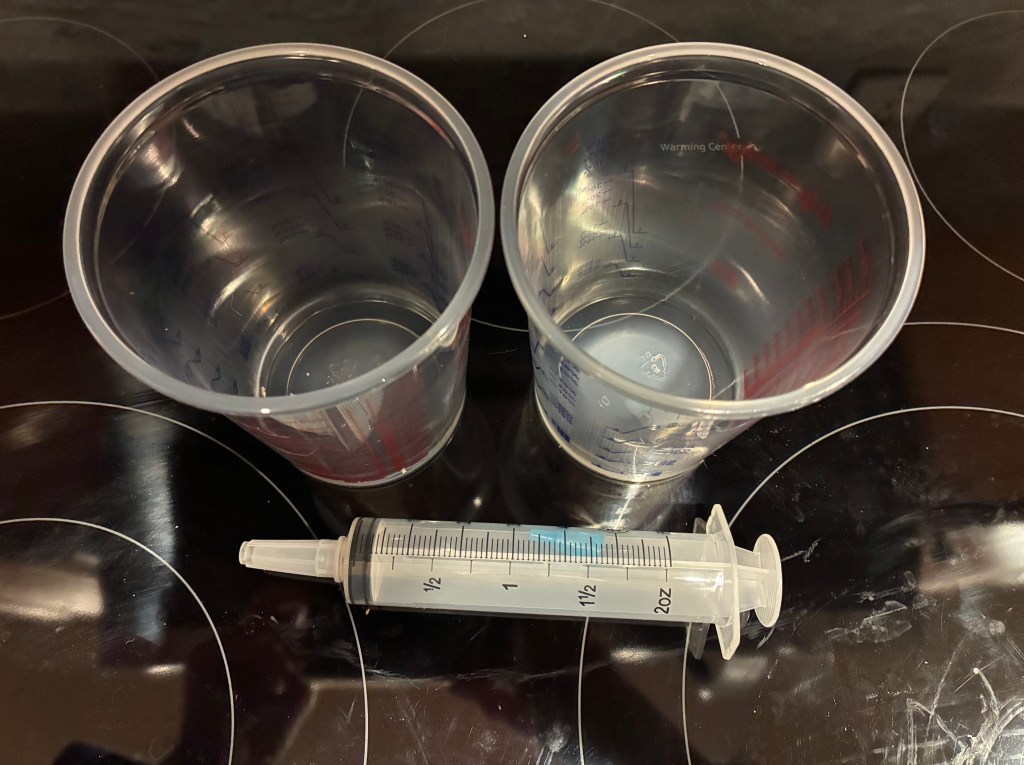
In my case I was being fed via a feeding tube, and this necessitated visits to be fed. I was also connected to IVs for hours at a stretch.
All of that that was annoying enough, but the worst was having the bed alarmed because I was labeled “Fall Risk”. This meant that I had to press the “Nurse” button, wait for a response and then wait for someone to come to the room to turn the alarm off and help with whatever I need to do – usually go to the lavatory. I am not sure why I was a Fall Risk. Maybe just policy for patients my age (83). It was most irksome and the thing I disliked about the hospital the most.
The hospital would not release me to my home, only to a rehab facility. That caused a delay as my insurance needed to approve my choice. But at long last I was transported to a rehab facility which eliminated Fall Risk and made existence more pleasant.
Of course, I still needed the medications, IVs and feedings via the feeding tube on the schedule of those providing which meant that I had an unsettled schedule which was still annoying. And that is where I received the most important lesson of my recovery.
One day I fell asleep before I got my third feeding (via the tube) of the day. Whoever it was that was responsible for the feeding did not wake me up. When I did wake up sometime after midnight, I pressed the “help” button. A nurse responded and I complained at length when he told me that he couldn’t give me the feeding.
His response was that yes, I should have been woken up but that they (the facility) were not responsible for my recovery. The person that was responsible for my recovery was me.
It took me a long time to get back to sleep.
One morning this past week I parked under my favorite tree (in Phoenix shade is a desirable thing – no matter the bird droppings). After pulling to the curb, I had to wait to exit the car as a homeless person passed by with his bed and belongings. It was 6:15 and he was headed in the general direction of St. Vinnie’s dining room on the Keys Campus for breakfast. I often see people headed in that direction at that time. There are other services available on the campus but not this early, so I always assume they are going to get something to eat.
This time of year, people with blankets are often seen but not usually a mattress. Later, after it gets warmer (than 60 at night) the blankets are left where used or on sidewalks and roadways. Shopping carts, such as this one, are common. Wheelchairs, baby buggies, and anything with wheels are used for transporting belongings. Alternately, Backpacks, handbags, shopping bags of all sizes and shapes are used. Sometimes an individual will have so much stuff that some is carried a block or more, sat down and then the previous load returned to. Single individuals are most common, but couples and other grouping may be seen.
Some people are on bicycles. Sometime the bicycles are towing grocery carts or child or pet carriers. I have seen as many as three carts being towed. On 10th Avenue where I park, the most common direction of foot and bicycle traffic is almost always south and east. Farther west, the more are going to the north or west. Over that way, those that slept in the shelter are headed to convenience stores or bus stops. At least those are my assumptions.
Unseen are the riders on DASH, the free bus route from downtown Phoenix. The Dash riders tend to be going away from the campus this time of day or maybe I just don’t notice them as much as the foot traffic. I also don’t notice the homeless living in vehicles as much this time of day. Usually, I arrive here just before or just after street parking becomes legal in this area at 6:00 am.
This area and Phoenix itself was much different in 1974 when I first drove through this area. I-10 had not yet reached Phoenix. Phoenix population was just over 600,000. The Central Arizona Shelter System now located on the Keys campus was not opened until 10 years later. The Phoenix Rescue Mission was located in an ex-hotel located just a little less a mile east of here at 4th Avenue and Washington. I-10 had not yet reached Phoenix, which was the reason I was driving through this area to my new job at Motorola in Scottsdale.
But the homeless were in this area even then. I saw them mostly in the afternoon on my way back home to my home in the far west valley. The distance was 33 miles one way and drive time was more or less 60 minutes. I liked using Washington Steet (one way going west) and Jefferson Street (one way going east). This meant I passed the Phoenix Carnegie Public Library building’s north side going home in the afternoon.
The Phoenix Carnegie Public Library was built in 1905 and is situated on two blocks between 10 th and 12 th Avenues and Washington and Jefferson streets. It is a hansom brick building with its name above the doorway on the north side. The land it sits on is green with gras and shade provided by the many olive and palm trees. It is now owned by the state of Arizona. In 1974 it was owned by the City of Phoenix. Since it was no longer a library a panel of wood had been placed over the word Library. “Park” had been written in white paint on the panel with a paint brush none too neatly. I laughed as I drove by in my 1966 VW beetle with the windows rolled down. You don’t drive in Phoenix with the windows up in August unless you have AC.
The homeless were enjoying the shade on the grass.
I was conscious of homelessness because just two weeks before I first drove by the “Park”, I had quit my job in the West Valley without having a another to go to. At the time I had four children and a wife that was a stay at home mother. We lived paycheck to paycheck.
Now I work at the Justa Center, across the street from the Carnegie Public Library. I see the homeless six days a week and I remember. But I don’t see them on the grass at the Carnegie Public Library grounds. The state of Arizona locked the gates